On dying . . .

On dying . . .

All notions of subject and object, self and selves, phenomena and characteristics are mere transformations of consciousness.

By this truth may I know that all appearances are vanity;

may I know that I dream while dreaming; may I know that I die while dying.

i. What does this mean to me?

The first time I heard this prayer, this line hit me pretty hard. ‘No,’ I wanted to argue, ‘I’m not dying. I’m fine.’ Then I thought, ‘Oh, wait.’ And the truth of it hit me. With every breath, every heartbeat, every tick of the clock, I am dying. I’d like to say that I straightened up, meditated and prayed everyday, and went out of my way to perform acts of kindness and generosity. But that didn’t happen.

The mind is funny that way. I fell back into my usual day-to-day complacence. It’s only as I got older – into my fifties – that I began to appreciate this line. Samsara is full of distractions that hide many truths. One of the things samsara hides best is the undeniable fact of our mortality. There are no TV shows called, Dying Well or How to Have a Good Death. Just the opposite in fact. If we go by samsara’s fictions, everyone will remain at best middle-aged and healthy forever, and they will somehow find that elusive dream. And live happily ever after.

Fortunately, we have the Dharma  to keep us informed of the truth even in the midst of samsara’s distractions. In samsara, there are lots of pretty, shiny things to chase after. Samsara is seductive and very addicting. But in this realm of struggle and desire, we will never have enough bright, shiny things. We will always be chasing after something empty and meaningless if we get sucked into samsara.

ii. How would I explain this to someone else?

I’d start with an exercise my teacher, the Venerable Tashi Nyima did with us years ago. It went something like this. Make a list of the top five things you want or want to get done. Now, what if you only had a year to live, how would the list be different? What if you had one week?

We came back with our carefully thought out lists. Our teacher’s comment, after listening to us for a while, was that all the lists should be the same. That’s how much samsara sucks us in. We assume that, at any given time, we know how far we have to go before death catches up to us. But the truth is that a one year old and an eighty year old have the same mortality. Either one could die at any moment.

Samsara seduces us into believing otherwise with thirty year mortgages, five year plans and retirement. At my age of sixty, retirement planning should be practically a hobby, with all the media, virtual and printed that I get inundated with. Many strangers invite me to sumptuous lunches at very nice places to talk about how to plan for retirement.

This is what samsara does. We are lulled into a false sense of complacency about death. Instead of being urged to live with a sense of urgency, we’re encouraged to make plans – mortgages, investments, five year plans – it goes on and on.

This is not the truth. Death stalks us in every heartbeat, every breath. Our prayer says, “…may I know that I die while dying…”. Why is this important? It’s not just doom and gloom and woe is me. In fact, the Dharma teaches us, it’s just the opposite.

With this clear view of reality, we are encouraged to live our lives with a sense of urgency. The shiny baubles in samsara are ultimately empty. They are “…mere transformations of consciousness…”. Knowing and understanding this, how do we proceed? With great clarity. When we realize at a deep level that every moment draws us closer to death, our ‘I Have To’ or ‘I Want’ list becomes much shorter. Some items fall off altogether. This line of the prayer is not to sadden us, but rather to wake us up from the stupor of samsara and point out the Path as the only thing worthy of being on any list.

iii. How do I bring this into my life?

I’ve only recently turned sixty. It gives me a new perspective on life. Things that seemed important just five or six years ago no longer matter. I left off studying the Dharma for some years. I say that, but I never really did. I left off formally studying the Dharma and attending sangha. But I saw the Dharma everywhere. Samsara felt so empty and uninspiring. There was nothing that gave me any sense of meaning. In a sense, samsara drove me back to studying the Dharma. It’s the only thing in samsara that holds any meaning for me.

With the knowledge at a very fundamental level, that I’m closer to death with every breath, I have a certain urgency in my life. I heed the warnings of the Dharma. The Dharma is repeatedly warning us of the illusory, dreamlike quality of samsara. We are urged in every prayer, every teaching to look to the Dharma as a guide to how we live our lives. Be kind. Be generous. Avoid attachment, aversion and indifference. Get out of the burning house of samsara where we will only find suffering.

The Buddha told us that there is cessation of suffering and a path to the cessation of suffering. The Dharma doesn’t direct us to be perfect. It urges us to move through samsara with compassion and kindness. The Dharma assures us that there is true purity, true bliss, true permanence and true being.

When I pray “…may I know I die while dying…”, I am praying that my own Buddha Nature helps me see through the illusions of samsara. I am praying that in my journey on the path, I may come to truly see that there is freedom from the cycle of birth, disease, aging, and death. In doing this I bring a sense of urgency to my steps on the path. The blessing of this prayer is to remind us that all in samsara is insubstantial, impermanent and dependent on causes and conditions.

Once we realize the truth of this line of prayer, samsara’s illusions fall away. We can come to understand that there is only one way out of samsara: the Path. For me, this is comforting and reassuring. Am I still afraid of death? For sure. But with the Dharma awakening me to my own Buddha Nature, I know that I can be free of the cycle of death and rebirth. I can one day return to samsara of my own will with the intent to liberate all those who suffer.

On dreaming. . .

On dreaming. . .

All notions of subject and object, self and selves, phenomena and characteristics are mere transformations of consciousness.

By this truth may I know that all appearances are vanity;

may I know that I dream while dreaming; may I know that I die while dying.

i. What does this mean to me?

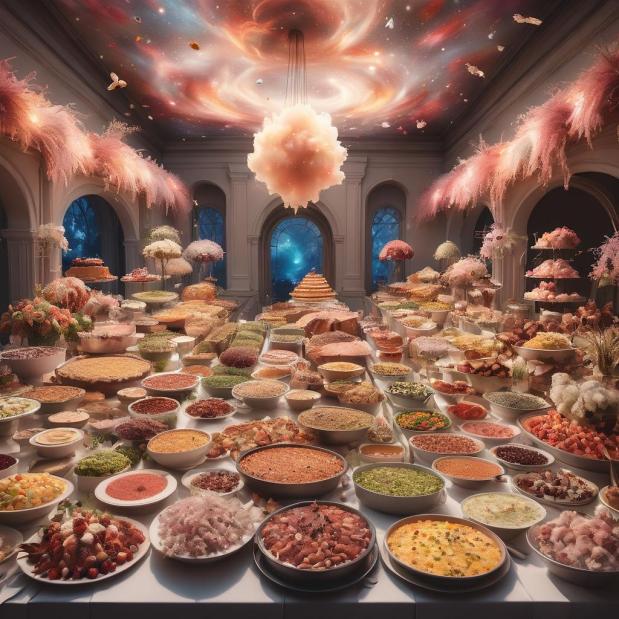
Dreams can be so weird. I’m a Type 2 Diabetic, so there are lots and lots of foods I can’t eat. I have this constantly recurring dream of a buffet so big, it’s the size of a mall. You have to ride a bicycle from one end to the other. And it smells amazing. And it’s all vegan. But in my dream, I never get to eat. I’ve had this dream so often, that many times I know it’s a dream.

Our local friendly AI tells us that a dream is, “a series of thoughts, feelings, or images that the mind creates. . .”. Despite that, they seem so real, don’t they? Samsara is no different. Everything we experience – thoughts, feelings, encounters with objects or other people – are all mental representations. They are transformations of our own consciousness.

It’s very hard to realize the dreamlike quality of samsara. Most of us go through our entire lives never once questioning the so-called ‘reality’ we experience. What does our prayer mean when it says “may I know that I dream while dreaming”? To me it means to remember that in samsara the struggle may seem real, but it’s not. Nothing is ‘real’ as we experience it. That is not to say that we’re all dreaming samsara into being. There is an Absolute Truth, but with our limited senses, we’re not able to perceive it.

Why pray to know we’re dreaming while dreaming? Although I have nightmares at times, most of my dreams are like the buffet. They’re tantalizing to my senses. They seem to satisfy some longed for wish. Dreams are seductive and to a degree hypnotic. And they’re all-encompassing. That seductive quality draws us in deeper and deeper. We never question the dream. I never question who would build a buffet the size of a mall. I simply accept it as what is.

In samsara, we behave the same way. If we buy into the dream of constant unending struggle and desire, we suffer. We lose track of who we truly are. The Dharma is always there to remind us of the dreamlike quality of samsara. It keeps us from investing ourselves entirely in a dream that will never satisfy. Samsara covers up who we truly are. The Dharma uncovers who we truly are and helps us discover our own Buddha Nature in the midst of the nightmare that is samsara.
ii. How would I explain this to someone else?

I’d start by asking them to name one thing that has remained the same throughout the years of their life. I don’t know of anyone who can give an honest answer to that question.

After all, what has stayed the same for any of us? Certainly not our bodies, not our dreams and aspirations, not even our perception of reality remains the same. The cool thing about the Dharma is that it is unchanging. The Dharma is that which holds. It underlies and supports all that we experience. When we have those vague feelings of dissatisfaction with a life that feels empty, this is the Dharma peeking through the dream of samsara. All in samsara is impermanent, insubstantial and dependent on causes and conditions.

We bear witness to this everyday in even the simplest of things. The sun shines in the day, but at night it’s gone from our skies. We’re born tiny babies, but we grow up, grow old and eventually die. Nothing in samsara is unchanging.

In samsara, we are drunk on distraction. Our cravings know no bounds, and this drives us to struggle ever harder, and we suffer. Then we seek distraction from our suffering and a new craving arises and on and on. This is the vicious cycle of samsara. We can free ourselves by studying the Dharma. Nothing else can free us from the nightmare of samsara. The blessing of the Dharma is that in the midst of the nightmare of samsara, it shows us what truly is and frees us of the cycle of struggle and desire.
iii. How do I bring this into my life?

When food is used on TV such as a Thanksgiving ad, the turkey is not cooked. A blow torch is used to ‘brown’ the outside, toilet paper is stuffed in the cavity to give it a nice plump appearance, shoe polish is used to get that perfect brown look. Back when I ate meat, I would have totally tried to eat that raw shoe polish covered turkey. And it would have poisoned me.

Just so in samsara. Nothing is what it seems to be, yet most of us gorge on seductive dreams that poison us with greed, envy, or craving for things we can’t have. When I began to study the Dharma, I gradually lost ‘faith’ in the illusions of samsara.

I bring this into my life by reciting prayers, by practicing, by reminding myself throughout the day that nothing is as it seems. This may seem pretty basic, but here’s the thing. When I’m on the cushion meditating, I totally understand and even experience the dreamlike quality of samsara. But my mind still gets caught up in samsara. I still forget sometimes that nothing is as it seems. When afflictive emotions arise, it’s tempting sometimes to let myself get sucked in by them.

When these things happen, I take a step back, breathe and recite mantra. Or I pick up my prayer beads and do mantra for a couple of minutes. For me, it still takes effort to live in samsara and not be sucked in by it. Despite that, my Buddha Nature is always trying to break through.

I’d like to say that once I feel my Buddha Nature peeking through, samsara falls away and dissolves like the dream that it is. That’s not what happens. But samsara does lose a lot of its grip on me. It becomes more transparent and less substantial. This is something we can all do. Buddha Nature is always there, shining through samsara, trying to give us liberation, if only for a few moments at a time.

On vanity . . .

On vanity . . .

All notions of subject and object, self and selves, phenomena and characteristics are mere transformations of consciousness.

By this truth may I know that all appearances are vanity.

i. What does this mean to me?

I’m not sure what I expect from our prayers when I sit down to write a contemplation. At first I thought the simplicity of the words hid some grand esoteric, deeply philosophical truth. But no. I find that the prayers form mostly a “How To” guide for living in samsara without becoming lost in the illusion.

The line of the prayer before this one tells us that all we see and experience is “mere transformation of consciousness only.” Last time we talked about how there are two kinds of truth when watching a magic show. There’s the ‘truth’ that your eyes see. And there’s the underlying process of what the magician is actually doing.

Well, that’s nice to know, we might think, but – so what? Of course there’s no such thing as magic. We all know that. And with something as obvious as a magic show, it’s easy to understand that no one is really being sawed in half. Not so in samsara.

This line of our prayer reminds us of the nature of samsara. Our local friendly AI tells us that one of the meanings of vanity is “the quality of being worthless or futile.” Samsara is a realm of struggle and desire. We desire something, we get it, we move on to wanting something else, and then we go struggle until we get it. That cycle is exhausting and it’s only halted by death.

So what is our prayer telling us about living in samsara? It’s telling us that the appearances we experience do not have the qualities we assign to them. Another way to say appearance is to talk about the “outward form” of something.

This takes us back to the magic show. The appearance is magic. But magic in and of itself  is a worthless understanding of how things are. We know the magician is doing something, but we don’t know what he’s actually doing.

In the same way, samsara is all appearance. This is not to say that we dream reality into existence. Rather it’s to point out that what we experience in samsara is merely the outer form. Like the magic show, there is an underlying truth, but in our limited minds and bodies, we don’t have access to that Absolute Truth.

ii. How would I explain this to someone else?

I’d start by saying ‘the devil is in the details’. The line of the prayer before this one tells us that all we experience is mere transformation of consciousness. That is to say there is an underlying truth in samsara, but our experiences in samsara arise in the mind.

Once we accept this as true, then it becomes fairly obvious that all the appearances we experience couldn’t possibly live up to the qualities we assign to them. If I have two clear glasses, and I fill one with green liquid and the other with blue liquid, are the glasses themselves now green and blue? No. But the appearance is that we now have two different color glasses. Is it wrong to assign the glasses the colors of blue and green? Not exactly. But it’s futile to proceed as if the glasses are now green and blue. That would be a fundamental misunderstanding of what is.

In samsara, we do this all the time with just about everything. We absolutely and unquestionably believe that there are two glasses of different color. To the degree that we live our lives believing in fundamental untruths, we suffer. The source of our suffering comes from trying to work with or shift a ‘reality’ that we believe. In this realm of struggle and desire, there is no satisfaction, no peace, no end to suffering. The Dharma teaches us that the glasses are clear and furthermore, the glasses themselves are merely the outward form that arises in the mind of some Absolute Truth.

iii. How do I bring this into my life?

Before I began studying the Dharma, no matter what I did, there was this horrible feeling of emptiness and dissatisfaction in my life. Materially, I was fine, but I couldn’t escape those feelings. Only when I began studying the Dharma did those feelings subside. Once I began to understand about the illusory qualities of samsara, I no longer desperately searched for ‘happiness’ in samsara.

I try to remind myself of this prayer when samsara starts getting to me. ‘No,’ I say to myself, ‘what I’m experiencing right now is not what it appears to be.’ My job can be very frustrating at times because I feel like I’m not getting enough stuff done that has to be done. Then I take a step back, breathe and remind myself that there is no point in fighting against how things are. My experience of reality, I remind myself is exactly that, an experience. This helps me to refocus my attention on what is, rather than what I want it to be.

This can be very liberating. There is simply no amount of emails that I can answer that will be satisfying. Not in samsara. This is where the Dharma and our prayers become important guides to living in samsara. The more we realize that nothing in samsara is substantial, or permanent or independent, the more we free ourselves of the pangs of living in samsara.

With this prayer reminding us that “all appearances are vanity”, we have the freedom to rely on our own Buddha Nature. It is complete and whole, nothing missing, nothing to add. In this way, we can live in samsara with compassion, wisdom and open hearts.

On the roaring dragon (Part 3). . .

On the roaring dragon (Part 3). . .

Like the thundering roar of a dragon, the resonant voice of the Dharma  

awakens us from afflictive emotions and frees us from the chains of karma.

Dispelling the darkness of ignorance, the sword of wisdom cuts through all our suffering.

How do I bring this into my life?

i.

When I think of bringing this prayer in my life, the words that jump out at me are “sword of wisdom” and “all our suffering.” Samsara is a realm of struggle and desire. Most chase after struggle and desire unceasingly. If samsara has existed for innumerable eons, what sword could be so powerful as to through “all our suffering?”

Our prayer tells us that only after “dispelling the darkness of ignorance” can this “sword of wisdom” cut through “all our suffering”. Remember that ‘wisdom’ has its roots in ‘vision’, as in to see things as they truly are.

If we go back further in the prayer there are four distinct parts to being freed of all our suffering. First we must be awakened “from the sleep of afflictive emotions. . .”. Second we must be freed from “the chains of karma.” Thirdly the “darkness of ignorance” must be dispelled. And fourthly we get to the sword of wisdom which “cuts through all our suffering.”

ii.

It’s kind of like a recipe, isn’t it? Or a set of instructions to build something. But do we want to build anything here in samsara where all is impermanent, insubstantial and dependent? That would be an exercise in futility and would only lead to more suffering.

What we want is a recipe. What does a recipe do? It shows you how to use what you already have to transform your ingredients into something different. This prayer introduces nothing new. We already have the Dharma all around us. The sleep of afflictive emotions lulls most of us into sleep. The chains of karma have entangled us all our lives in samsara. Ignorance can seem to be an impenetrable darkness. And of course suffering is the default setting in samsara. These are our ingredients.

When I think of bringing this into my life, there’s nothing to bring. All the ingredients of the recipe are already here. The tools of transformation are the “resonant voice of the Dharma” and the “sword of wisdom”. It’s interesting that the sword of wisdom dispels completely the darkness we call ignorance. Suffering, however is merely cut through by the sword of wisdom. Seeing clearly and seeing things as they truly are is enough to dispel ignorance and free us in an instant from suffering.

iii.

In bringing this little prayer into my life, I become aware, awake. The ingredients of afflictive emotions, the chains of karma, the darkness of ignorance, the suffering of being in samsara become starkly present for me. This prayer helps me the most I think in hearing the “resonant” voice of the Dharma. This prayer teaches me to attune to the resonant voice of the Dharma and let it resonate with my own Buddha Nature.

Perhaps the most important gift of bringing this prayer into my life is that quality of feeling starkly awake to samsara. Then there is the sleep of afflictive emotions. Again the prayer offers us the resonant voice of the Dharma to resonate with our own Buddha Nature and wake up and see what is. There are the chains of karma binding us to samsara. And once again the prayer offers us the “thundering roar” of the resonant voice of the Dharma. And lastly there is the darkness of ignorance and the suffering of suffering. And here the prayer offers the sword of wisdom that banishes ignorance. When it comes to suffering, no need to settle it bit by bit, but rather the sword of wisdom will cut a clear swath through suffering in an instant.

The beauty of this prayer is we don’t have to import anything from anywhere. Everything we need is already here in our enlightened Buddha Nature. We know how to wield the sword of wisdom: let the voice of the Dharma resonate with who we truly are.

On the roaring dragon… (Part 2)

On the roaring dragon… (Part 2)

Like the thundering roar of a dragon, the resonant voice of the Dharma  

awakens us from afflictive emotions and frees us from the chains of karma.

Dispelling the darkness of ignorance, the sword of wisdom cuts through all our suffering.

How would I explain this to someone else?

i.

After the alarm goes off in the morning, do you ever fall asleep again and dream that you woke up, got ready for work and even went to work? That dream seems so real, doesn’t it? In fact, when the alarm goes off again (because you snoozed it), it can be downright annoying to have to actually get out of bed and get ready ‘again’.

Samsara is much the same way. We go about our daily lives believing we’re wide awake. But really we’re in a kind of deep sleep of afflictive emotions and wrong views. I don’t mean we’re some kind of zombies sleepwalking through life. But rather that afflictive emotions and wrong views distort our experiences into an almost dreamlike state.

ii.

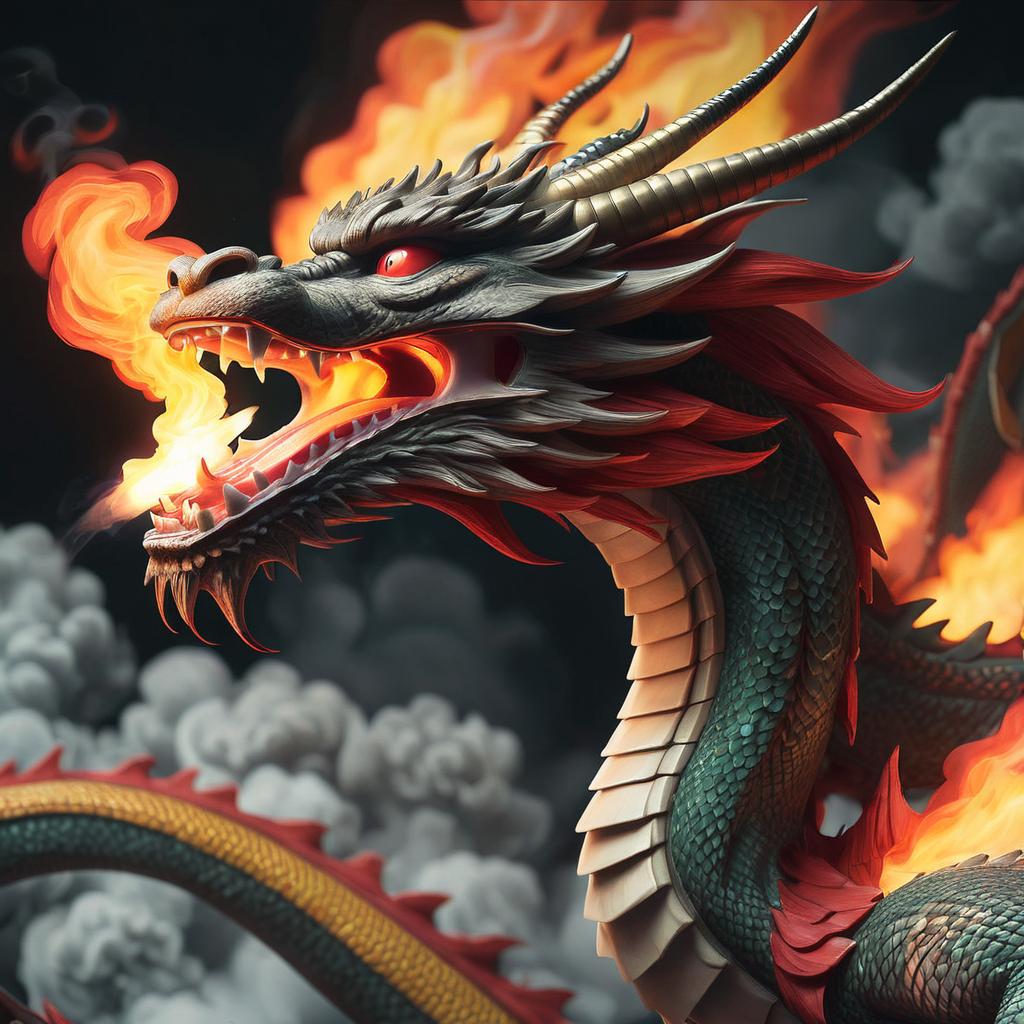
Our prayer begins by telling us that the voice of the Dharma is “Like the thundering roar of a dragon.” Remember that in eastern lore, Japanese dragons for instance, aren’t big scary fire-breathing monsters, but rather, “…powerful and wise guardians that shield us from universal dangers and impart their wisdom.” Keeping this in mind, why does the voice of the Dharma have to be “Like the thundering roar of a dragon”? It’s mostly because, like we’ve talked about, we are almost wholly asleep in samsara. It’s difficult to awaken us from our dreamlike experiences of samsara.

Our prayer tells us that like a roaring thundering dragon, “the resonant voice of the Dharma awakens us. . .”.  Why resonant? Because the Dharma is the truth of how things are. A part of us is always awake, always knowing the truth of things as they truly are. We call this our Buddha Nature. More accurately, our Buddha Nature isn’t a “part of us”. It’s who we truly are. How do we know that? Because our prayer tells us of the “resonant voice” of the Dharma. What is it resonating with?

iii.

Where does the sky go on a cloudy, stormy day? Does it disappear? Well, yes and no. From our perspective, the sky disappears, but we know that once all the clouds blow away, what remains is a clear blue sky. Our Buddha Nature is like that. Just because we see rain clouds, we don’t believe the clouds are part of the sky. We know that in fact, nothing has changed about the blue sky. It’s still there. It’s just covered up by what one of our other prayers calls “incidental stains”.

Why is it so important to understand that the clouds are merely laid over the blue sky? Because our Buddha Nature is much the same way. The incidental stains of afflictive emotions and wrong views merely cover our unchanging, ever-present Buddha Nature. This is why the voice of the Dharma is “resonant”. It resonates with our Buddha Nature.

What’s this talk about how the voice of the Dharma “frees us from the chains of karma?” Don’t we want good karma? Don’t we want just our bad karma to go away? Remember, we were born into samsara, a realm of struggle and desire, because our karma drew us here to be born into bodies that are subject to birth, aging, disease, and death.  Even good karma is still karma, and it still binds us to samsara. What we want is to have no karma (or as little as possible) in the end.

iv.

If you lit a taper candle in a large blindingly dark room, would there be a little light? Or would that candle light up the whole room? We know from experience that we’d have a very small circle of light in a dark room. But the very last line of our prayer introduces us to the notion of a “sword of wisdom” that dispels “the darkness of ignorance.” Samsara is a dark place, full of the darkness of ignorance and the suffering of suffering. So what exactly does this sword of wisdom do? It dispels the darkness of ignorance. Our local friendly AI tells us that ‘dispel’ means to “make a (doubt, feeling or belief) disappear.”

Wow. That’s impressive. Our prayer is telling us that the “resonant voice of the Dharma awakens” us and the sword of wisdom banishes ignorance. To go back to our earlier example, a simple taper candle would create a small circle of light in a dark room. How much brighter must be the sword of wisdom to banish ignorance altogether?

In this new light we would see that our suffering mostly comes from our reluctance to see things as they are. This again is the power of wisdom – to turn the darkness of samsara into a brilliant light so that we can disentangle ourselves from the chains of suffering that bind us.

This isn’t to say that wisdom will banish our suffering in a moment. But it does mean that we can use skillful means to uncover our own Buddha Nature a bit at a time. Each and every one of us has the capacity to awaken from the stupor of samsara, and use the wisdom of our Buddha Nature to free ourselves of the darkness of ignorance and the suffering of suffering.

What are your thoughts?

On the roaring dragon . . . (Part 1)

On the roaring dragon . . . (Part 1)

Like the thundering roar of a dragon, the resonant voice of the Dharma  

awakens us from afflictive emotions and frees us from the chains of karma.

Dispelling the darkness of ignorance, the sword of wisdom cuts through all our suffering.

What does this mean to me?

i.

As a westerner, it’s hard for me to appreciate what dragons mean in eastern lore. My local friendly AI tells us that in Japan, dragons are “. . . powerful and wise guardians that shield us from universal dangers and impart their wisdom.”

Samsara is loud. Even if you live in a country setting, there’s noise, particularly today with electronic devices all but dominating our lives. And that’s on a ‘quiet’ day. When the storms of afflictive emotions rage within us, the noise can be unbearably loud.

Our prayer starts out strong and says, “. ..the resonant voice of the Dharma…” is heard in samsara “Like the thundering roar of a dragon.” Notice that it’s not just the roar of a dragon, but a thundering roar. That’s pretty loud. It’s certainly loud enough to be heard over even the most roiling violent storms of afflictive emotions.

What’s most interesting to me here is that the voice of the Dharma is “resonant”. What does it mean to resonate with something? It means there has to be a matching tone or feeling so the two can resonate together. In this case, I believe the prayer is talking about our inherent wisdom, as in the ability to see clearly, to see things as they truly are.

ii.

Our prayer tells us that even though we may feel we are awake to our afflictive emotions, samsara is very much a deep sleep in a loud storm. We sleep and have the nightmare of afflictive emotions. This is why the voice of the wisdom of the Dharma must be like the “thundering roar of a dragon.”

But even with all of this, our prayer reinforces that our inherent ability to see clearly, our wisdom, is already there. This is why the voice of the Dharma is “resonant”.

With just this line of the prayer, we are told that the “resonant voice of the Dharma” thunders like the roar of a dragon. Why does this roar have to be so loud? One of my favorite things to do during those sub-tropical storms we had in Florida was to sleep through them at night. The only sounds were the thunder, and rain, and wind. It blocked out everything else.

iii.

When I first started studying the Dharma, I wanted all my ‘bad’ karma to go away and to only have ‘good’ karma left. We were born into samsara, drawn to this realm of struggle and desire by our karma. As my teacher, the Venerable Tashi Nyima says, “chains of gold are still chains.” With our ‘bad’ karma, we live through it with as good a grace as we can.

‘Good’ karma on the other hand is not something valuable that we want to hold onto. After all, karma is karma. That’s why in our other prayers we “dedicate all merit to Great Benefit.” But why does the prayer say the “resonant voice of the Dharma” will “…free us from the chains of karma”?

I think we first have to ask, what is karma? Very simply put, karma is what arises when we put in place causes for suffering or causes for happiness in our life. So how does the thunderous sound of wisdom free us from suffering? Remember that ‘wisdom’ has its root in ‘vision’, as in to see reality as it truly is. Wisdom is necessary for enlightenment, as another of our prayer reminds us, “May all attain the union of wisdom and compassion.”

When we see things with our inherent wisdom, which this prayer tells us is possible because the voice of the Dharma resonates with something already within us, why would we ever place causes for suffering onto our path? We wouldn’t. As for ‘good’ karma, we would have the wisdom to always dedicate the merit. Like this, wisdom cuts through the chains of karma that bind us to samsara.

iiii.

The last line of the prayer talks about dispelling ignorance and cutting through “all our suffering.” That’s quite a claim to make, to be able to cut through all suffering. But the first line of the prayer already told us that wisdom is like, “the thundering roar of a dragon.” When I picture a roaring dragon, I get a mental image of a dragon spewing powerful flames.

By the time we get to this last line of the prayer, the roaring dragon is “dispelling the darkness of ignorance.” What is darkness, in general? It’s simply an absence of light. As I read this line, the sword of wisdom seems to be a fiery sword born of the “thundering roar” of the voice of the Dharma. This line seems to sum up the lines that have come before. Without the roaring dragon, before the “resonant voice of the Dharma” there is only the suffering of samsara, afflictive emotions, and the darkness of ignorance.

However, in this last line, this isn’t a tiny light that’s going to shine. It’s a full on fiery sword wielded by the power of a thundering, roaring dragon speaking the resonant truth of the Dharma. This is the power of wisdom, to cut through all suffering in a moment, if we let ourselves resonate with that resonant voice of the Dharma.

On the fruit of purification. . .

On the fruit of purification. . .

The basis of purification is the universal-ground primordial awareness, like the sky;

the incidental stains are the object of purification, like clouds;

the purifying agent is the truth of the path, like a relentless wind;

and the fruit of purification is Perfect Enlightenment, like the sky free of clouds.

What does this mean to me?

When I lived in Florida, there was a mango tree in the backyard. And every summer it bore mangos. Never once did I go back there and expect to see an orange hanging from a branch. No. Of course not. The true nature of the tree is its mango-ness. If the tree is properly maintained it will bear mangos.

So too with enlightenment. Our prayer in the second line says that the objects of purification are “incidental stains”. If the tree becomes marked up in some way, we recognize those markings are not part of the tree. They’re just incidental stains. All we have to do is carefully clean it and it will still bear mangos. The third line speaks of a purifying agent that is like a “relentless wind”. By the time we get to the fourth line, we are ready to bear the “fruit of purification” which is “Perfect Enlightenment.”

I don’t remember ever seeing a perfect mango. But I do remember that every single fruit was purely a mango. It wasn’t mixed with anything else. From the seed at the core to the soft flesh to the protecting skin, it was perfectly mango through and through.

This short portion of the prayer talks about purifying or purification in four out of four lines. For such a short portion of the prayer, it really hones in on the idea of purification, what needs to be purified, and then finally the fruit of purification. Although it seems to beleaguer a point, a mango tree is exactly that – a tree that if properly cultivated (or purified) will inevitably bear mangos.

When we talk about enlightenment, it’s no different. The prayer starts out by telling us that the “basis of purification” is primordial enlightenment. The quality of enlightenment is already there. Or else what would be the point of purification? We take for granted that a lemon tree will bear lemons, a pear tree will bear pears, and so on. We never step back and say “hmmm. . . it’s a lemon tree, why isn’t it bearing cherries?”

The last line of this portion of the prayer comes right out and says that “the fruit of purification is Perfect Enlightenment”. Why is this possible? Because we are already enlightened. The clear blue sky of our enlightenment is obscured by clouds. But that doesn’t mean that on a cloudy day, the sky is somehow gone, does it? It’s merely obscured by clouds like wrong views and afflicted emotions. But with the right cultivation or “purification”, that clear blue sky of enlightenment is right there, as it always has been and always will be.

How would I explain this to someone else?

 Imagine that you wanted to plant a field of sunflowers. There’s a whole process, right? First you prepare the ground, then you plant the seeds, you water it, cultivate it and voila! Sunflowers.

Enlightenment is nothing like this. As our prayer tells us, “the fruit of purification is Perfect Enlightenment.” It’s already whole, already complete, already there. It’s more like wearing a very dirty pair of eyeglasses in a field of sunflowers. Once you remove the glasses (the obscurations) you immediately see the sunflowers. They are already there, already whole and perfect, and needing nothing to be added.

If this is true, you might wonder, why are we not fully and completely enlightened right now? Well, that’s kind of a trick question. We are at this very moment fully and completely enlightened. It’s like the dirty glasses I described. We’ve worn those glasses for innumerable lifetimes. And for many of us, we have no awareness that they’re even there. We take for granted that the distorted view through the glasses is reality as it truly is.

As I’ve already pointed out, this short section of the prayer talks about purifying and purification no less than four times in four lines. What’s so important about that? The Dharma or the “truth of the path” is all important in even coming to the realization that our view of reality is distorted. So much so that we don’t even know what true reality looks like.

Yet here we are in samsara day in and day out convinced that all we perceive has some inherent truth to it. This why is the Dharma has to be a “relentless wind” in samsara. We must let go of this belief. And once we do, our prayer tells us that enlightenment is inevitable. It tells us unequivocally that “the fruit of purification is Perfect Enlightenment”. When we follow the Dharma it is inevitable that we will experience the clear blue sky of our Perfect Enlightenment.

How do I bring this into my life?

There are some rough days when I’d like to get on a plane, not to go anywhere in particular. No. What I’d like to do is fly above the clouds and just see that clear, unobstructed blue sky.

When samsara wears me down, as it sometimes does, it feels like I’ll never get those glasses clean, never mind be able to take them off.  When this happens I’d like to say there’s a prayer I say, or I get out my prayer beads, or squeeze in a quick meditation. I don’t do any of those things. Even with all I’ve studied, even with all the insights I’ve had, I turn to samsara for relief. It could be anything – eating, watching YouTube, or even scrolling Facebook.

It usually takes about five to ten minutes of this before I feel myself sinking into the torpor of samsara. This instantly wakes me up. I instantly remember the suffering of living in samsara and unquestioningly believing my experience of reality. At that moment, I shift my focus to compassion both for myself and for those wandering lost in samsara with no idea of the Dharma. And I say a prayer that is very grounding for me, “May all be free of suffering and the causes of suffering. May all embrace happiness and the causes of happiness. . .” Doing this act of compassion for myself and others immediately draws my attention back to the Dharma and I bring that compassion to the path.

I feel sometimes that enlightenment is like a subtle, never-ending heartbeat. A heartbeat that has gone on through all our lifetimes and will continue through all our lifetimes to come. Like a cloud free sky, Perfect Enlightenment is always there ready to be realized, ready to give us glimpses when we’re receptive.

When I began working with this prayer I believed that we were like Perfect Enlightenment. Now I understand that we are Perfect Enlightenment simply being uncovered one tiny glimpse at a time.

On the relentless wind. . .

On the relentless wind. . .

The basis of purification is the universal-ground primordial awareness, like the sky;

the incidental stains are the object of purification, like clouds;

the purifying agent is the truth of the path, like a relentless wind;

and the fruit of purification is Perfect Enlightenment, like the sky free of clouds.

What does this mean to me?

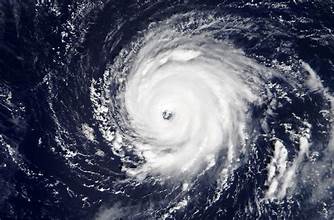
I lived in South Florida for around ten years. Hurricane season was the absolute worst. The scariest part was hunkering down inside behind your boarded up windows and listening to that raging wind for hours at a time. It was relentless.

Our prayer starts by saying, “the basis of purification” is “primordial awareness, like the sky”. Primordial enlightenment is like a cloud-free sky. The prayer goes on to say that “incidental stains” are what need to be purified.

The third line talks about a “purifying agent” that will clear away the incidental stains such as wrong views and afflicted emotions. So the prayer begins by telling us that our true nature is enlightenment, like a clear blue sky. But there are clouds or “incidental stains” tainting that blue sky.

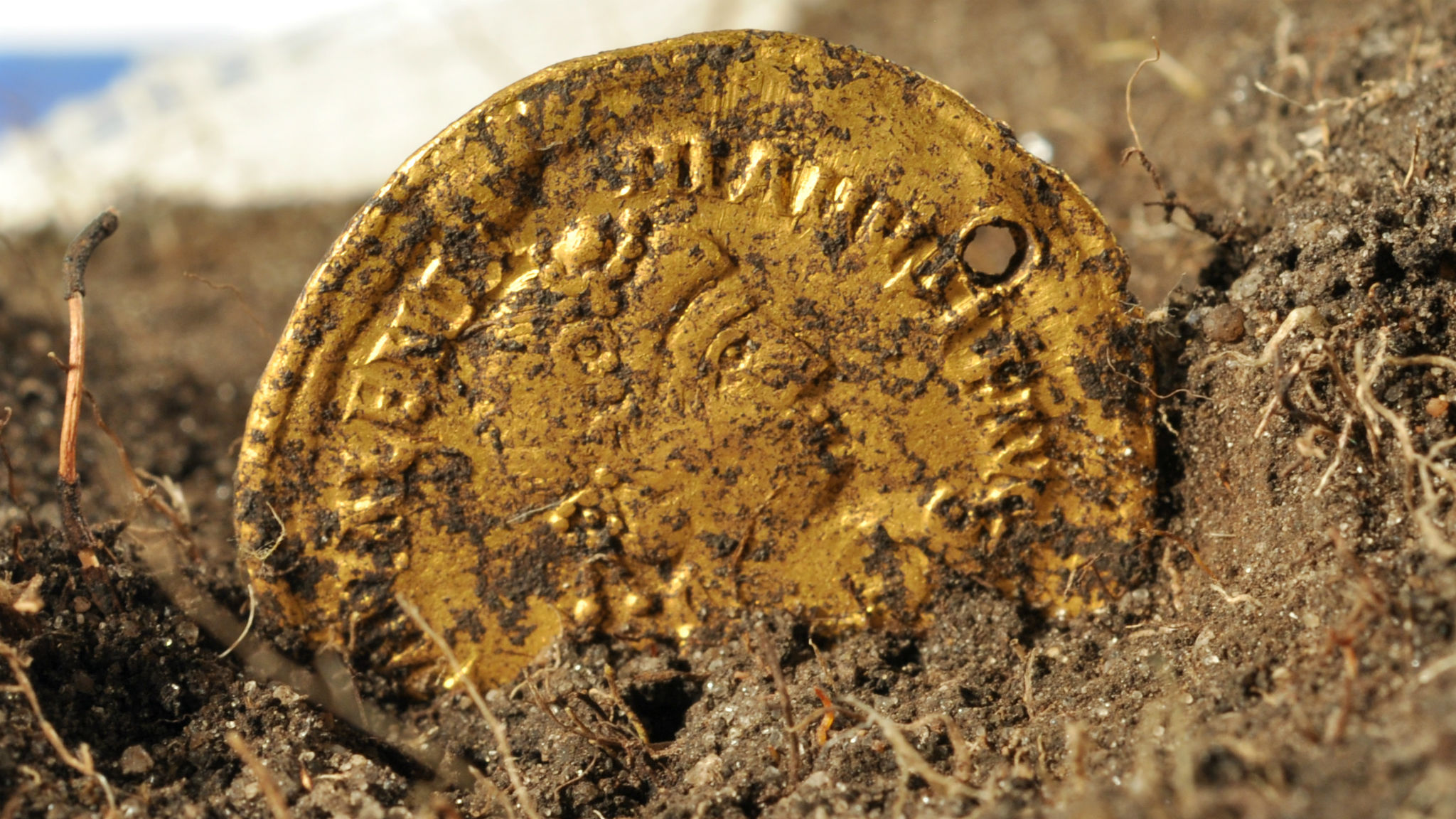
This very much reminds me of digging up an ancient golden coin. When you first look at it, it’s all stained up with grime and dirt. You know you’ll need all kinds of cleansers to remove decades or maybe even centuries of clinging dirt.

Our true nature of enlightenment is like that dirt encrusted coin. We have spent lifetime after lifetime acquiring the encrusted dirt of wrong views and afflicted emotions. Again the prayer is telling us that enlightenment isn’t something to be sought out, but rather something inherent in us that needs to be uncovered.

That sounds pretty daunting, doesn’t it? How do we remove lifetimes of dirt and grime to uncover our true nature? Our prayer outright tells us that “that the purifying agent is the truth of the path” and it’s like a “relentless wind”, just like a hurricane.

How would I explain this to someone else?

Christianity has the idea that ‘sins’ can be washed away by ‘the blood of the lamb [Jesus]’. Thankfully no one has to be crucified for us to uncover our true nature.

Samsara is a realm of struggle and desire. We are forever struggling to fulfill some desire or other. And sadly, even when we get what we thought we wanted, it’s never what we thought it would be. When I was a little girl I watched a lot of Star Trek. I thought it was so cool how they had a talking computer. All they had to do to make things work was press buttons on a console.

Watching that show, I promised myself that when I grew up, I’d have a job where I pressed lots and lots of buttons. Well, here I am some decades later and practically all I do at work is press buttons. Is it everything I thought it would be? I can assure you I’m not visiting different planets every week. Heck, I don’t leave home to go to work.

This on a small somewhat childish scale is what those lost in samsara do for lifetime after lifetime. Sadly, chasing after struggle and desire only leads to suffering. Fortunately , we have the “truth of the path” to cleanse away the incidental stains we have from living in samsara.

What is “the truth of the path”? We call this the Dharma. This is the only cleansing agent we need to uncover our true nature. But how does it work? Is it abrasive like a brillo pad, scrubbing away at us constantly? Well, yes and no. We’re all caught up in the illusions of samsara. There are lifetimes of ground in dirt covering up our true nature.

The Dharma, our prayer tells us, is like a “relentless wind”. I’ve never been in a storm in the desert, but I imagine that anything left out in that sand laden wind would be scrubbed pretty clean. The Dharma is not meant to lull us into a comfortable sleep. We are already asleep. No. The Dharma works to wake us up from the nightmare that is samsara.

How do I bring this into my life?

I have a confession to make. I just adore that snooze feature on my phone. I actually set my alarm for earlier than I need to get up. Why? Because snooze button. The Dharma is like an alarm clock, a warning to wake up! So many people press the snooze button. They say, “I don’t have time to meditate” or “I’m too busy to study the Dharma” or “I’ve got kids. I don’t have a spare moment in my day.” But the Dharma is undeterred. Like a relentless wind, it will blow until you awaken.

Before I began studying the Dharma, I always had this deep seated feeling of being dissatisfied. Not just with my life. It extended to everything. It never gave me a moment’s peace. I felt as though I was wandering a desert, sand as far as the eye could see, a blazing sun overhead. And no matter how much water I drank, I’d be just as thirsty. It would give no relief.

I’d like to say that when I began studying the Dharma, that feeling immediately went away. It didn’t. But gradually over the course of about a year of study, I was less and less dissatisfied. And I can pinpoint the reason. I came to rely less and less on samsara for my sense of satisfaction. I began to experience tiny glimpses of my Buddha Nature.

Don’t get me wrong. I still get caught up in the illusions of samsara, but there’s always a part of my mind that in some way, doesn’t get wholly caught up anymore.

Today when I see people completely caught up in the quagmire of samsara, I do the only thing I know how to do. I recite my go to prayer, “May all be free from suffering and the causes of suffering. May all embrace happiness and the causes of happiness.” Doing this brings me a measure of peace, and I pray it brings peace to others.

There’s a story told of children playing inside a burning house. Their father is outside urgently exhorting them to come out. But the children are very distracted. Today it would be Netflix, iPhones, x-boxes, Instagram, or X fka Twitter.

This again is the relentless wind of the Dharma trying to wake people from the stupor of samsara. And the funny thing is if we simply go in the direction of that relentless wind, things get easier, less exhausting. We’re no longer devoting so much energy to upholding the illusions of samsara.

If we allow ourselves to be caught up in the relentless wind of the Dharma, we will find more and more of the illusions of samsara falling away. We will experience the great wind setting us free of the incidental stains left by samsara. We will find the true nature of our primordial enlightenment uncovered bit by bit. And bit by bit, we will be free of the illusions of samsara.


On incidental stains. . .

On incidental stains. . .

The basis of purification is the universal-ground primordial awareness, like the sky;

the incidental stains are the object of purification, like clouds;

the purifying agent is the truth of the path, like a relentless wind;

and the fruit of purification is Perfect Enlightenment, like the sky free of clouds.

What does this mean to me?

White is not my color. No matter what I do or how careful I am, I always manage to stunningly stain whatever piece of white clothing I wear. This line of the prayer talks about stains. Interestingly, if we go back, the prayer tells us in the first line that the basis of purification is primordial enlightenment, which is stain-free. There’s nothing to add. Nothing to subtract. It is whole and complete.

The second line of the prayer tells us that any stain on this “primordial awareness” is simply incidental. What are these “stains”? The two biggest stains, or distortions that keep our ever-present enlightened nature hidden are wrong views and afflicted emotions. Why does the prayer call these things “incidental” stains?

One of the definitions of ‘incidental’, according to our local friendly AI is, “accompanying but not a major part of something.” When we look at a red stain on a white surface, we experience the illusion that a portion of the surface is actually red, not white.

However, the quality of whiteness remains. If it didn’t, we could never wash the cloth clean. Our prayer says that the stains to be purified are merely “incidental”. They are not part of the “primordial awareness” that is enlightenment, but rather wholly unrelated. When we look at a stained surface, do we believe the stain is part of the surface, or merely incidental, like red wine on a white tablecloth? We understand the stain overlays the white color of the cloth.

Enlightenment is no different. Wrong views and afflicted emotions may seem to exist on their own. But truthfully, those incidental stains merely overlay our inherent nature.

How would I explain this to someone else?

Our prayer is very specific about a “primordial” awareness, leaving no doubt that enlightenment pre-existed what we think of as ‘me’. Caught up in the illusions of samsara, we believe the distortions of our wrong views and afflicted emotions accurately represent reality. Our inherent true being is Buddha Nature. The more we cover that up with wrong views of ‘me’ and ‘mine’, or act on our afflicted emotions, the more we cover up our true nature with stains, the more we suffer.

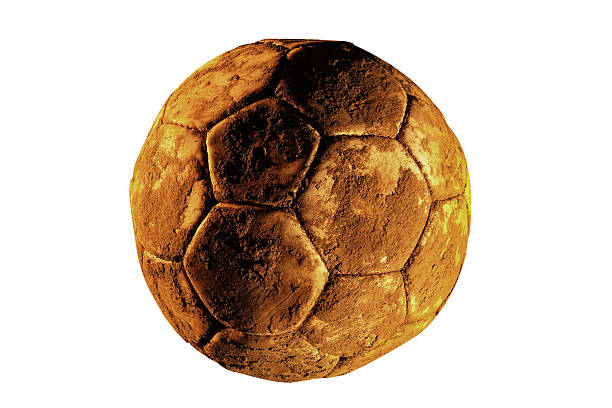
Imagine you had a sparkling clean white ball. Then you roll it in mud. Does that actually change the color of the ball? No. But because of how our afflicted emotions and wrong views work, we now see a brown ball, rather than a white ball covered in mud. And for lifetime after lifetime we have practiced this view to the point where we forget the ball is actually white. Truthfully, the mud is an incidental stain. It is not part of the ball. It is merely covering up the ball’s true color of white.

When it comes to enlightenment, it works the same way. Our prayer comes right out and tells us, “. . .the incidental stains are the object of purification.” We don’t need to be purified in some mysterious way to realize our enlightened nature any more than the ball needs to be dyed white. It is white. All we have to do is remove the mud of wrong views and afflicted emotions, both by-products of being born in samsara.

How do I bring this into my life?

I grew up Christian. In that religion you’re taught there is something inherently bad about you because you were ‘born in sin’. In my adult life, I refute that. I have experienced Buddha Nature in myself and others. In those moments of overwhelming compassion, I understand that enlightenment is primordial, already there.

When we see someone laboring under the delusions of samsara and suffering greatly, our Buddha Nature realizes something is wrong. Suffering is not inherent to what we are. It is an incidental stain upon our primordial enlightenment.

In samsara we have the Dharma as our guide to who we truly are. Does that mean we’ll wake up one day and float instead of walk? No. But it does mean that with the Dharma we can come to understand that what we experience in samsara is illusion. We can learn to see things as they truly are.

This happens to me in the ordinary course of my life. I could be in the supermarket, in traffic, or getting gas. Suddenly my experience of samsara will shift. And I notice that we are all, in some essential way, asleep. And we’re so caught up in the nightmare that we forget reality as it truly is even exists.

When I have these fleeting moments of insight, I pray that all may be free of suffering and the causes of suffering and that all may embrace happiness and the causes of happiness. In those few seconds I’m aware there is no ‘me’, no ‘them’, no separation.

Everyone has these moments of insight. The reason we’re all able to have these moments is that our true nature is always trying to shine through the mud of samsara. As my teacher the Venerable Tashi Nyima says, “It’s not going to be okay, it’s okay right now”. And that’s because enlightenment is never more than a breath away.

On the basis . . .

On the basis . . .

The basis of purification is the universal-ground primordial awareness, like the sky;

the incidental stains are the object of purification, like clouds;

the purifying agent is the truth of the path, like a relentless wind;

and the fruit of purification is Perfect Enlightenment, like the sky free of clouds.

What does this mean to me?

It’s said that enlightenment is inevitable. How can it be that something we don’t understand will inevitably happen to us? The closest understanding we have of this is what we call ‘death’.

We all understand the inevitability of death, although we don’t understand death itself. Why is death inevitable? It’s our karma that caused us to be born into a human body. And that body is subject to birth, aging, disease, and death.  

Enlightenment is not subject to cessation. It doesn’t arise, doesn’t go, it simply is. Our prayer says the basis of purification (or enlightenment) is the “…primordial awareness…” that inherently dwells within us just as the sky is always there whether we see it or not. It’s been a while, so I had to look up primordial. My friendly AI tells me that primordial means “first created or developed, or existing from the beginning.”

Our prayer says that “The basis of purification” is the “…universal-ground primordial awareness…”. The prayer tells us in the very first line, ‘No need to go searching for enlightenment. It’s already there.’ All we have to do is become aware of it.

How would I explain this to someone else?

How often do we notice the sky? I don’t mean because of bad weather. I mean how often do we come to a literal halt and turn our full attention to the sky? For me, it’s almost exclusively when a hurricane is coming. Once you see those circling clouds, it’s something you never forget.

On a regular day in our lives, do we forget the sky is there? Of course not. The sky is in our peripheral vision anytime we go outside. Go to any window and there it is – the sky just doing its thing. It’s there when we wake up, and we take for granted that it will be there tomorrow and the next day, and so on.

Enlightenment is very much the same way. It is always there because it’s primordial, it came first. So how come it feels like enlightenment is a bridge too far? Not me, I say to myself.  For those people in the scriptures from forever ago, sure, enlightenment was happening all the time. But me? Enlightened? No. Not happening. Sometimes it feels like I’m so entangled in the swamps of samsara, so lost in the distractions of my mind that enlightenment seems distant, even fantastical.

But our prayer tells us this is not so. Enlightenment has no beginning, no end. It simply is. Everyone’s mind in each lifetime comes into existence with primordial enlightenment already there. It’s the clouds of our own wrong views and afflicted emotions that stop us from seeing the clear blue sky of enlightenment that is always there.

How do I bring this into my life?

You know when you get really mad at someone for wronging you somehow?  When that happens to me, in the first few seconds, I forget everything. I forget enlightenment is inevitable for all beings. I forget everyone has Buddha Nature. I forget there is no true separation between ‘me’ and the ‘other’ person. In those crucial seconds, I want nothing more than to open my mouth and let my anger have at them.

Over the years, with practice, I’ve learned that absolutely never should I open my mouth when I feel like that. Ever. As soon as the first few seconds pass, it all comes back to me. We all stand under the same sky. We all will be inevitably enlightened. We all have the same Buddha Nature.


The place where I get the most practice is at work. Sometimes when people call, I can barely get my name out before they start yelling at me. And believe me when I tell you, they have a lot to say.

Even after years of practice, the first thing I want to do is light the powder keg of my temper and yell right back. But I wait out those few seconds by repeating mantra. Anyone will do. As soon as that urgency to react passes, I can see clearly. I remember everything. I remember that we all suffer in samsara. Every one of us wants to be happy.

With that realization comes the remembrance that we all have Buddha Nature. Inevitably we will all realize our true nature, and in that moment we’ll know that enlightenment has never been more than a heartbeat away.

In real time, this happens in moments. As soon as I remember, my compassionate heart takes over.  I remind myself that I have the capacity to be peaceful, to act with equanimity, to be compassionate.  This brings a measure of peace to the interaction.

We all have this capacity to remember. We all have the capacity to realize that enlightenment isn’t something to be achieved, it is something to be uncovered. Because, like the sky, it’s always there.