
All notions of subject and object, self and selves, phenomena and characteristics are mere transformations of consciousness.
By this truth may I know that all appearances are vanity;
may I know that I dream while dreaming; may I know that I die while dying.
i. What does this mean to me?

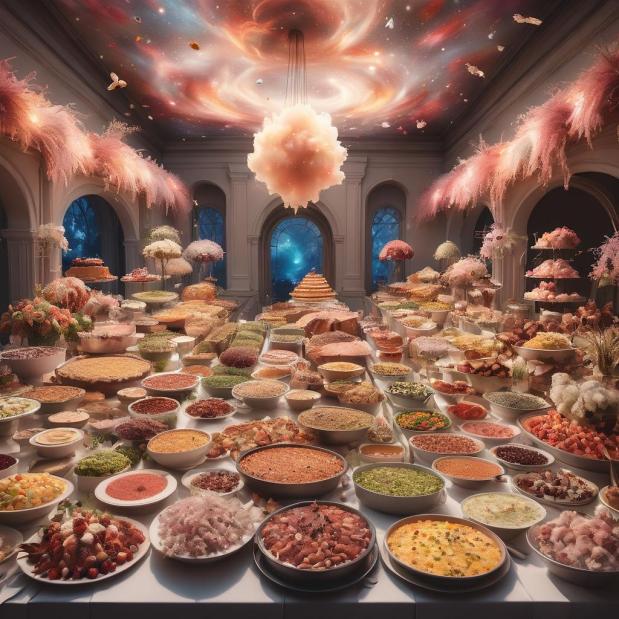
Dreams can be so weird. I’m a Type 2 Diabetic, so there are lots and lots of foods I can’t eat. I have this constantly recurring dream of a buffet so big, it’s the size of a mall. You have to ride a bicycle from one end to the other. And it smells amazing. And it’s all vegan. But in my dream, I never get to eat. I’ve had this dream so often, that many times I know it’s a dream.
Our local friendly AI tells us that a dream is, “a series of thoughts, feelings, or images that the mind creates. . .”. Despite that, they seem so real, don’t they? Samsara is no different. Everything we experience – thoughts, feelings, encounters with objects or other people – are all mental representations. They are transformations of our own consciousness.
It’s very hard to realize the dreamlike quality of samsara. Most of us go through our entire lives never once questioning the so-called ‘reality’ we experience. What does our prayer mean when it says “may I know that I dream while dreaming”? To me it means to remember that in samsara the struggle may seem real, but it’s not. Nothing is ‘real’ as we experience it. That is not to say that we’re all dreaming samsara into being. There is an Absolute Truth, but with our limited senses, we’re not able to perceive it.

Why pray to know we’re dreaming while dreaming? Although I have nightmares at times, most of my dreams are like the buffet. They’re tantalizing to my senses. They seem to satisfy some longed for wish. Dreams are seductive and to a degree hypnotic. And they’re all-encompassing. That seductive quality draws us in deeper and deeper. We never question the dream. I never question who would build a buffet the size of a mall. I simply accept it as what is.
In samsara, we behave the same way. If we buy into the dream of constant unending struggle and desire, we suffer. We lose track of who we truly are. The Dharma is always there to remind us of the dreamlike quality of samsara. It keeps us from investing ourselves entirely in a dream that will never satisfy. Samsara covers up who we truly are. The Dharma uncovers who we truly are and helps us discover our own Buddha Nature in the midst of the nightmare that is samsara.
ii. How would I explain this to someone else?
I’d start by asking them to name one thing that has remained the same throughout the years of their life. I don’t know of anyone who can give an honest answer to that question.
After all, what has stayed the same for any of us? Certainly not our bodies, not our dreams and aspirations, not even our perception of reality remains the same. The cool thing about the Dharma is that it is unchanging. The Dharma is that which holds. It underlies and supports all that we experience. When we have those vague feelings of dissatisfaction with a life that feels empty, this is the Dharma peeking through the dream of samsara. All in samsara is impermanent, insubstantial and dependent on causes and conditions.
We bear witness to this everyday in even the simplest of things. The sun shines in the day, but at night it’s gone from our skies. We’re born tiny babies, but we grow up, grow old and eventually die. Nothing in samsara is unchanging.

In samsara, we are drunk on distraction. Our cravings know no bounds, and this drives us to struggle ever harder, and we suffer. Then we seek distraction from our suffering and a new craving arises and on and on. This is the vicious cycle of samsara. We can free ourselves by studying the Dharma. Nothing else can free us from the nightmare of samsara. The blessing of the Dharma is that in the midst of the nightmare of samsara, it shows us what truly is and frees us of the cycle of struggle and desire.
iii. How do I bring this into my life?
When food is used on TV such as a Thanksgiving ad, the turkey is not cooked. A blow torch is used to ‘brown’ the outside, toilet paper is stuffed in the cavity to give it a nice plump appearance, shoe polish is used to get that perfect brown look. Back when I ate meat, I would have totally tried to eat that raw shoe polish covered turkey. And it would have poisoned me.
Just so in samsara. Nothing is what it seems to be, yet most of us gorge on seductive dreams that poison us with greed, envy, or craving for things we can’t have. When I began to study the Dharma, I gradually lost ‘faith’ in the illusions of samsara.
I bring this into my life by reciting prayers, by practicing, by reminding myself throughout the day that nothing is as it seems. This may seem pretty basic, but here’s the thing. When I’m on the cushion meditating, I totally understand and even experience the dreamlike quality of samsara. But my mind still gets caught up in samsara. I still forget sometimes that nothing is as it seems. When afflictive emotions arise, it’s tempting sometimes to let myself get sucked in by them.
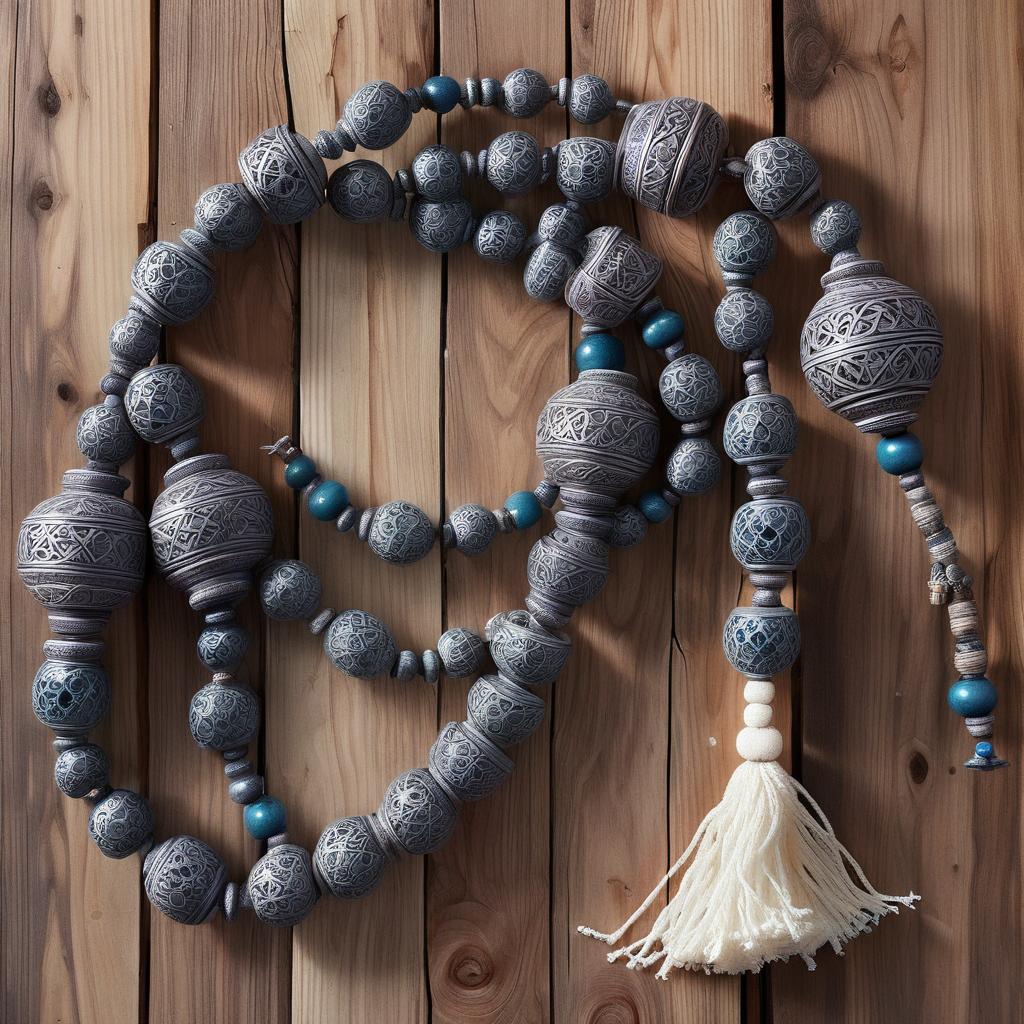
When these things happen, I take a step back, breathe and recite mantra. Or I pick up my prayer beads and do mantra for a couple of minutes. For me, it still takes effort to live in samsara and not be sucked in by it. Despite that, my Buddha Nature is always trying to break through.
I’d like to say that once I feel my Buddha Nature peeking through, samsara falls away and dissolves like the dream that it is. That’s not what happens. But samsara does lose a lot of its grip on me. It becomes more transparent and less substantial. This is something we can all do. Buddha Nature is always there, shining through samsara, trying to give us liberation, if only for a few moments at a time.





 dharma pen