
Currently I’m studying Heart Treasure of the Enlightened Ones with a Dharma friend, the Venerable Tashi Nyima.
This is my contemplation on the second line of verse 21 of the root text of Heart Treasure of the Enlightened Ones.

“Even if you die today, why be sad? It’s the way of samsara.
Even if you live to be a hundred, why be glad? Youth will have long since gone.
Whether you live or die right now, what does this life matter?
Just practice Dharma for the next life—that’s the point.”
Explain to someone else (making it my own)
Vamp ires have changed a lot over the decades. I believe the very first vampire movie was a silent black and white, Nosferatu. That vampire was one scary looking dude. He was bald and wrinkled, and you got the impression (even in black and white) that he was the color of spoiled milk. In today’s beauty-obsessed world, vampires are Calvin Klein models with lustrous hair, six-pack abs, and deep brown eyes with just the barest hint of menace. Even their blood sucking fangs are sexy. What a difference a few decades make! Vampires have gone from terrifying blood-sucking creatures to Harlequin cover models. And what’s more, they won’t ever get old. They’re young and hot…ahhh…excuse me…young and beautiful forever! How cool is that?
The paradigm shift in how immortality is handled in our storytelling speaks, I think, to our own samsaric wish to not only live forever, but to be beautiful and young forever. Having just turned fifty, I can tell you—that ain’t how it is. Our bodies start to hurt in places we didn’t even know we had. Eyesight declines. Skin dries out. In the parlance of ordinary life—getting old sucks.
But it doesn’t have to. Dilgo Khyentse reminds us, “…once you start to practice the Dharma, then however long you live, every instant of every day will be an immeasurably precious chance to …practice…until the day of your death.” In the dependent, insubstantial, impermanent realm of samsara, this is very good news indeed. In fact, I’d go so far as to say it’s the best news we’ll ever hear in our embodied state. Yes, our bodies are subject to aging. No, youth and all of its pleasures doesn’t last forever. But the Dharma—that which holds—is not subject in any way to the nightmare vagaries of samsara. If we come to understand this, and come to make the Dharma our constant activity, then each moment of our lives becomes an immeasurably precious chance to manifest the inherent perfection of our Buddha Nature.
***
Apply to a past situation (how would it have been different?)
A little less than thirty years ago, when I was in my mid-twenties, I was obsessed with being thin and in shape. I ran. I did aerobics. I lifted weights. I drank disgusting yogurt / protein shakes. I taught aerobics (the better to stay fit). I thought of almost nothing else but being fit and most important, staying fit. I spent hours in the gym. I even had the proverbial (and disastrous) relationship with a personal trainer at the gym. I had a killer body, but I was miserable, insecure, and terrified that I wouldn’t be able to keep it.
Looking back on those years in my life, I can notice how my all-consuming desire to maintain my body was really an expression of a wish not to age. I can notice that staying young and attractive was an attachment that bound me to incredible suffering. If I had been able to breathe and take a step back from the constant fury of my life, I might have noticed that my goal was meaningless.
If I had let a moment of peace and clarity arise, I might have noticed that staying young and attractive forever held out no hope for lasting happiness. I may have noticed that even though I was already where I wanted to be, it brought me only anxiety, angst, and the constant suffering of the fear of losing it. Had I been able to notice this, I may have been able to begin to free myself of a draining, pointless obsession in my life.
***
Apply to an (ongoing) present situation (how does it matter today?)
The biggest ongoing situation in my life at this writing is the Pilgrimage of 62. The main reason for beginning this pilgrimage was because of my pending fiftieth birthday. I felt I needed to take some sort of journey. At twenty-five days into the pilgrimage, and having turned fifty last week, this line takes on a special significance for me.
 I only began studying the Dharma a couple of years ago. Until then, there was the nagging sensation that the ‘big five-oh’ was getting closer, and I’d done nothing with my life. I’d published three or four books and about a dozen short stories, and I was working on yet another book, but that underlying certainty that I’d done nothing with my life was only getting stronger. At first I attributed it to getting old. Maybe, I thought, it’s just part of the process. Maybe old age hormones are kicking in. What do I know?
Then I began to study the Dharma. And—horror of horrors—I saw that I’d been right. I’d totally wasted my life up until then, and the big five-oh was looming on my horizon like the iceberg that gave the Titanic a monstrously bad day. I began to panic. To be honest, when the realization that I’d been wasting my life began to dawn on me, I nearly walked away from studying the Dharma. I nearly said to myself—no, I did say to myself—I don’t need this bad news. I need to go find something meaningful to do with my life.
But I didn’t walk away. I came back week after week because a new realization began to dawn. Studying the Dharma was actually working on a very subtle level to decrease my suffering. I wasn’t Cinderella fitting into the glass slipper or anything, but things in my life that I’d thought I had no chance of ever changing were gradually improving.
After that I was hooked, and here I am on a pilgrimage at fifty, more than halfway into my life. As I take this pilgrimage, I can utterly understand how much richness the Dharma brings to our lives. I can see that if I live to be hundred, youth will have gone, but the Dharma will remain.
***
Apply to a potential situation (bringing it home to play)
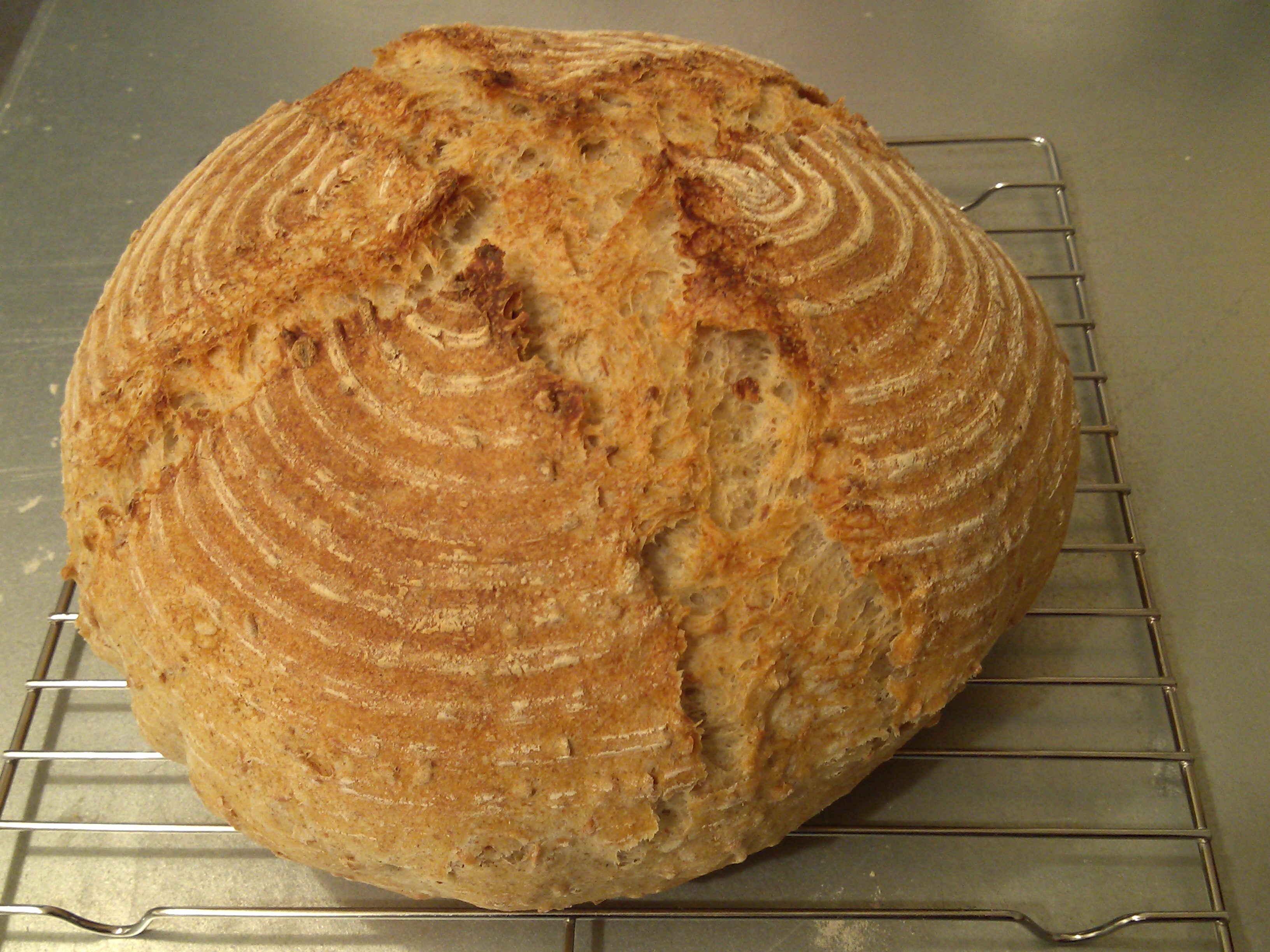
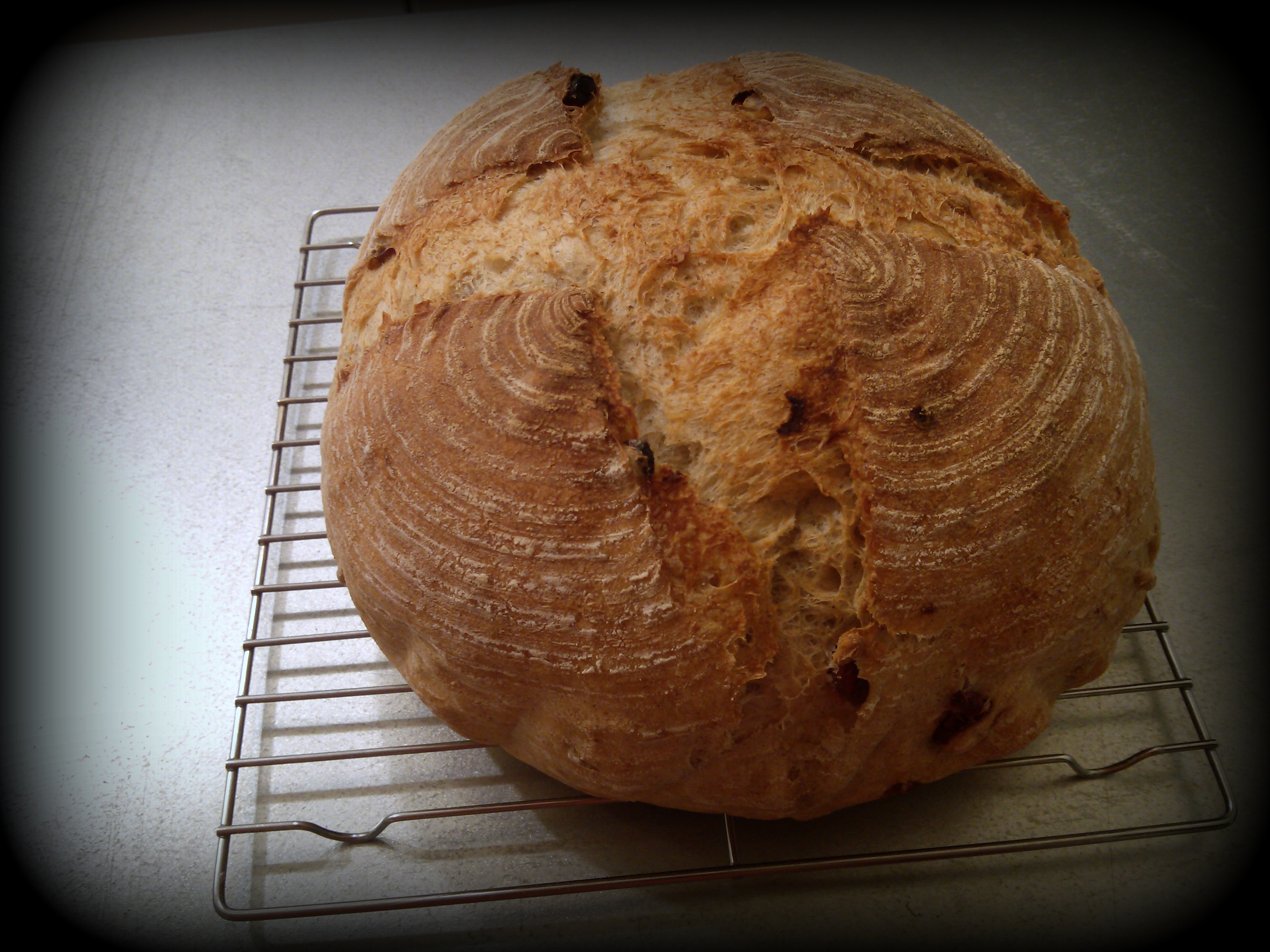
I return to work today after three days off. It’s been a hectic but peaceful three days. I’ve officially shifted the paradigm of my life from fiction-writing and holding out hope of blinding success in samsara to Dharma writing and baking. I’ve done this by clearing books from shelves in a kitchen nook, taking out a second bread machine, and collecting my recipes into a binder. Containers for my collection of flours, grains, add-ins, etc. are on the way in the mail. Now there’s space for them.
Those empty shelves are something I never thought I’d see. I thought I’d write romance about twenty-somethings and thirty-somethings forever. I think this was my way of making youth last.
Now, as I prepare to move into a new phase of my life, I’m aware that it’s the autumn of my life. As I take on this new adventure, it’s my intent to make the Dharma the activity of my life. I’ve found that doing this lends a feel of authenticity to whatever is done.
Specifically, when I sit down to work on a collaboration writing project with a Dharma friend, I will bring to my awareness that I am doing that project for the benefit of others. As my Dharma friend likes to say, the Dharma is meant to be shared. As I work on new recipes to perfect them, I will work knowing that I use my baking to bring benefit to others.
What does any of this have to do with Patrul Rinpoche’s line? Maybe nothing at all. But I believe if we live to be a hundred 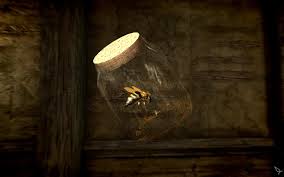 and the Dharma has not been the activity of our life, then not only will youth be gone, but we can be assured of one thing. As Dilgo Khyentse reminds us, “…if you have not practiced the Dharma, there is at least one thing you do not need to worry about—leaving samsara behind. There is no chance of that; you are in it now, and you will be in it for many lifetimes, like a bee trapped in a jar…”
I want out of the jar.
I think we all do.
And this very lifetime is an immeasurably precious chance to get out.
How are we going to use it?
























 Dharma, even though I didn’t practice Christianity, there was the underlying belief that I (and the other people I meet) are human beings because we were made that way. Somewhere in the distant past a girl and a boy (also human, of course) shared chromosomes and genes, I gestated inside a womb, then voila! I was born human, part of a species.
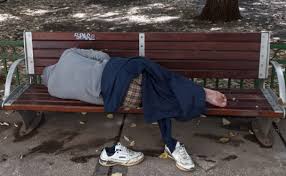 I grew up in the Bronx, just about forty minutes from Manhattan by subway. My favorite places to go in Manhattan were Barnes & Noble on Fifth Avenue, the New York Public Library, and Steuben Glass. In Manhattan, the homeless are everywhere. They are unavoidable. In winter they shuffle along in too-thin coats, walking up to you and asking for money. In summer, they sit on the boiling hot sidewalks with signs: BLIND. PLEASE HELP. And nearly without exception, they are ignored, given a wide berth, as though being homeless were a deadly plague that could be caught. Even when people give money, it’s done with averted eyes, and from a prudent distance.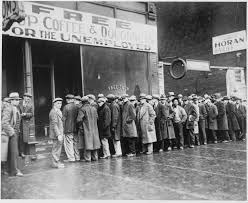
 dharma pen